

Business
Business overview
Business overview
Our business has changed in response to the voices of healthcare professionals, and it will continue to progress alongside the development of healthcare.
We deliver medical devices demanded by healthcare settings not only in Japan, but worldwide. Across our five business segments, we provide a wide range of “Made in Japan” products covering all of the body, from head to toe.
At the same time, to respond to changes and the diversifying needs of healthcare, as a company, we go beyond the individual activities of each business unit to provide products and services that meet the specific needs of healthcare settings.
Intervention business
“Intervention” is a general term for treatment methods performed by inserting a catheter (a tube approximately 2 to 3 mm in diameter) into blood vessels through a small hole made in the skin, targeting diseases of the entire body, such as in blood vessels, internal organs, and the brain. Treatment methods are selected from three primary objectives: expanding narrowed areas, opening blocked areas, and filling areas at risk of rupture.
The history of the intervention products we provide began with the cardiovascular system and then expanded to the cerebrovascular and peripheral vascular systems, and they will continue to expand with the advancement of medical technologies.
With balloon catheters, we have leveraged our accumulated expertise in development, manufacturing technology, and sales to continuously pioneer new fields and to build trust in various fields including cardiac vessels, cerebral vessels, peripheral vessels, dialysis vascular access, and
pulmonary arteries. Furthermore, our electrically detachable coils for vascular embolization (which are rare products among manufacturers in Japan) are expanding their product variations along with the deployment from cerebral vessels to other blood vessels, and we are aiming to provide even safer and more useful products.
Cardiovascular and peripheral vessels
-
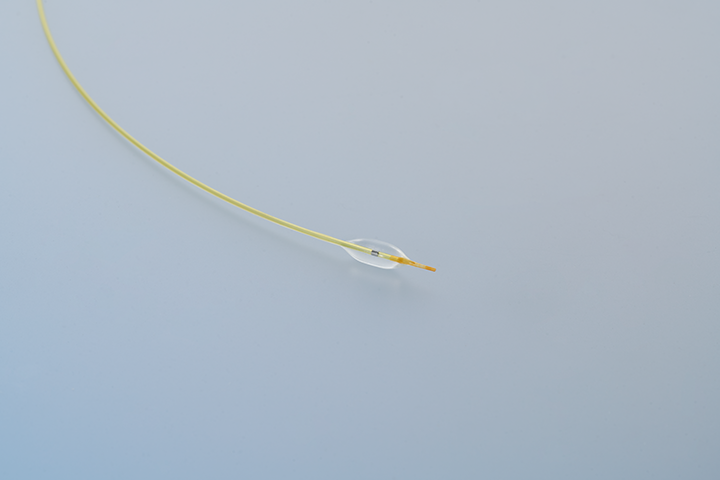
PTCA balloon catheter -
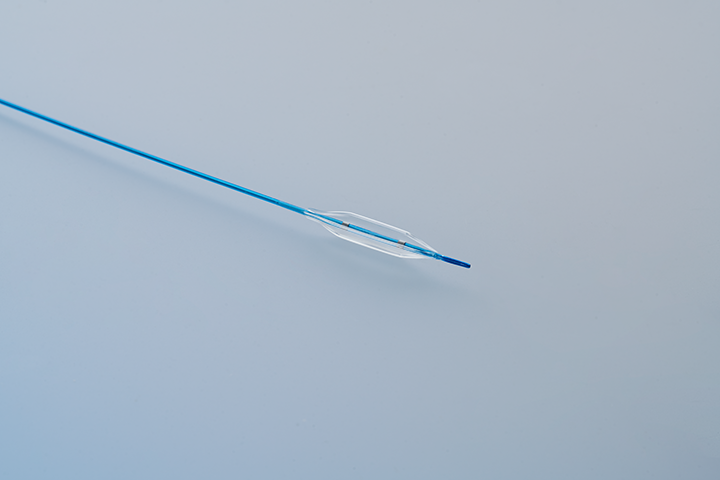
PTCA balloon catheter
(Cutting type) -
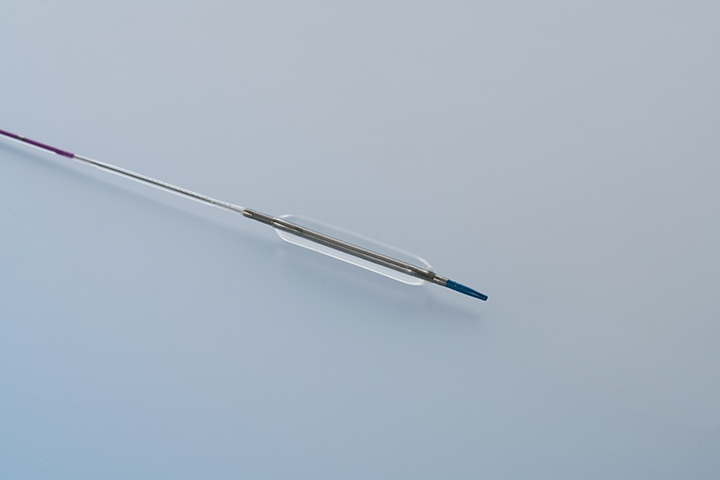
PTCA balloon catheter
(Perfusion type) -

BAV balloon catheter -
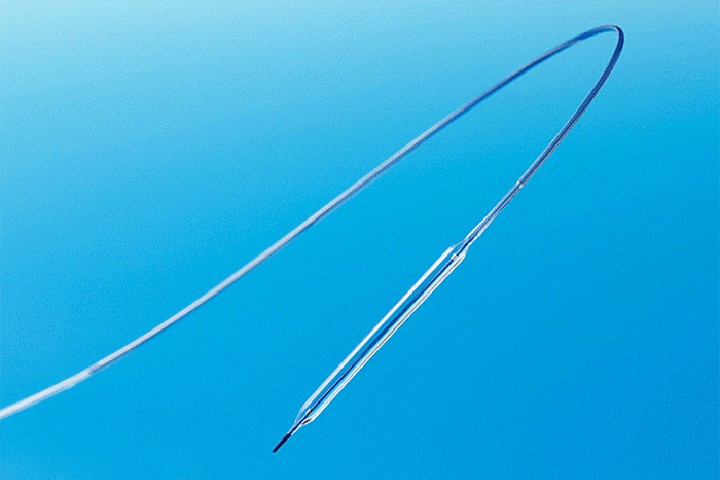
PTA balloon catheter
Cerebral blood vessels
-
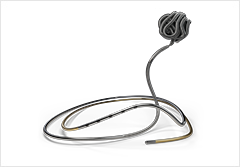
Aneurysm embolization coil -
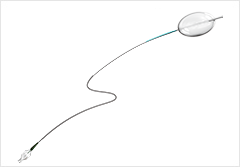
Occlusion balloon catheter -
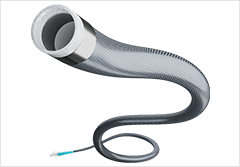
Cerebral thrombus aspiration catheter -
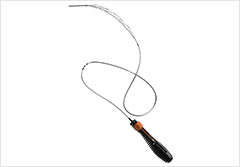
Stent retriever
Blood purification business
Blood purification therapy is a treatment that removes substances causing disease from the blood and returns the purified blood to the body. This treatment method will improve symptoms in patients who do not achieve sufficient results with drug therapy alone. It selectively adsorbs and removes causative substances while returning essential components to the body as much as possible.
-
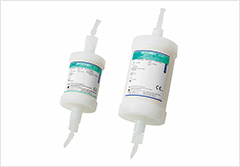
LDL Adsorption Column -
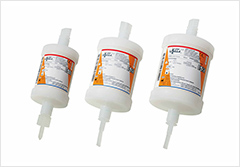
BMG Adsorption Column -
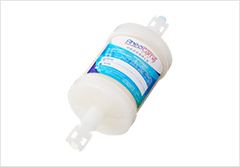
LDL and Fibrinogen Adsorption Column -
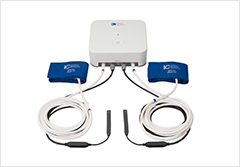
Kaneka skin perfusion pressure measuring system
SILASCON business
The SILASCON business provides drainage products for neurosurgery and general surgery, primarily using silicone as the raw material.
A drain refers to a tube used to remove unnecessary or excess body fluids from the body. It uses silicone, which is suitable to be placed inside the body due to its characteristics such as having a low risk of causing a foreign body reaction in the body and of forming blood clots, and its flexibility. SILASCON, which is a brand with over half a century of history, is trusted and used in numerous medical facilities as reliable products. We will not rest on our laurels but continue to develop products that are even safer and more user-friendly. Furthermore, we will enhance information provision through information sessions, to ensure healthcare professionals can use SILASCON products correctly and safely.
-
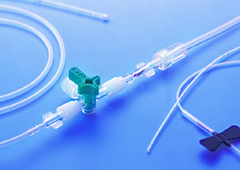
Cerebrospinal fluid reservoir -
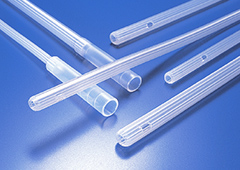
Intracorporeal indwelling drain tube -
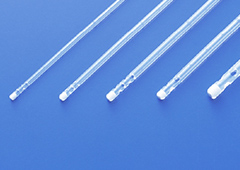
Neurosurgery catheter
Gastroenterology business
Endoscopic therapy refers to treatments performed while observing the digestive tract, biliary tract, pancreas, and other areas using an endoscope. This therapy is widely used as a minimally invasive treatment that places less burden on the body.
In the gastroenterology business, we provide endoscopic instruments, with a product lineup for both gastrointestinal and biliary-pancreatic applications. We have developed and introduced a biliary dilatation balloon catheter applying technology cultivated in vascular balloon catheters, which has been accepted by healthcare professionals in the gastroenterology field. We continue to develop and launch new products by integrating our accumulated catheter technology and techniques externally introduced with our expertise in developing gastrointestinal endoscopic instruments.
-
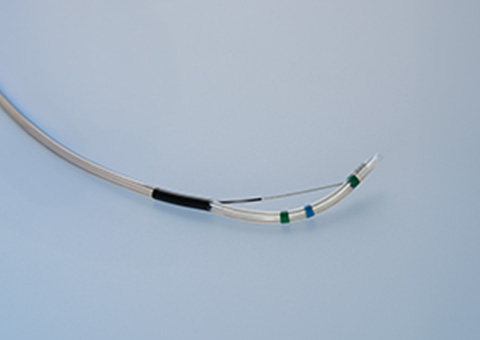
Sphincterotome -
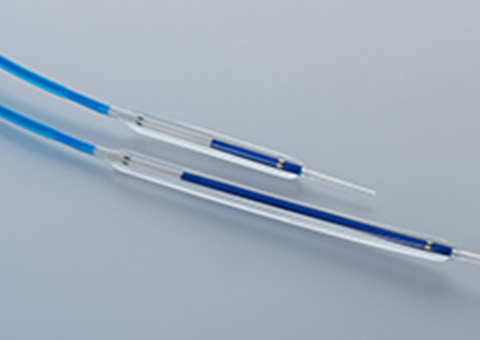
Biliary Balloon Dilatation catheter -
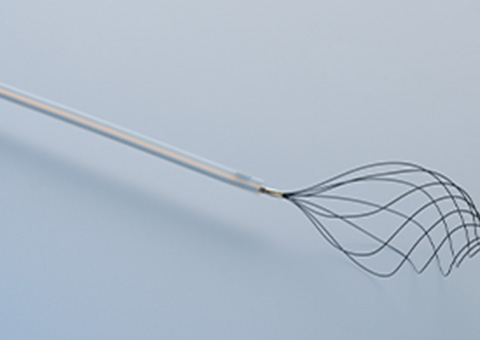
Stone Extraction basket -
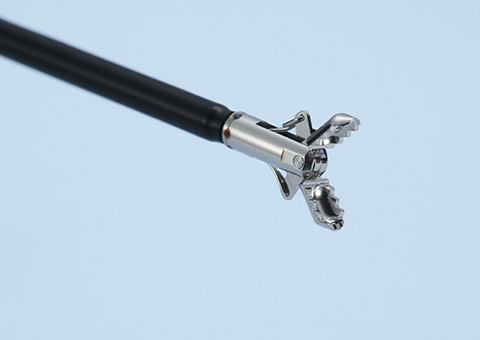
Electrosurgical Hemostatic Forceps
Electrophysiology business
We engage in business activities related to cardiac electrophysiology.
We provide in-house manufactured* cardiac electrophysiological examination catheters used for diagnosing and treating cardiac disorders (arrhythmias), which is a heart condition in which the heart's regular rhythmic beating (heartbeat) becomes irregular for some reason, as well as high-frequency septal puncture needles and intracardiac defibrillation catheters primarily used for catheter ablation treatment for atrial fibrillation.
We combine our research and development expertise with feedback from healthcare professionals to deliver products that make the most of our strengths as a Japanese company.
- *Research, development, and manufacturing divisions are Kaneka Corporation and Kaneka Medical Tech Corporation.
-
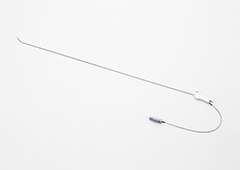
Atrial septal RF needle -
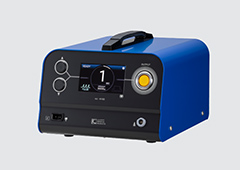
RF generator -

Intracardiac defibrillation generator -
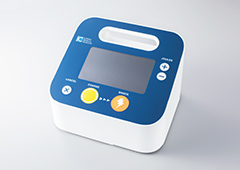
Intracardiac defibrillation generator